
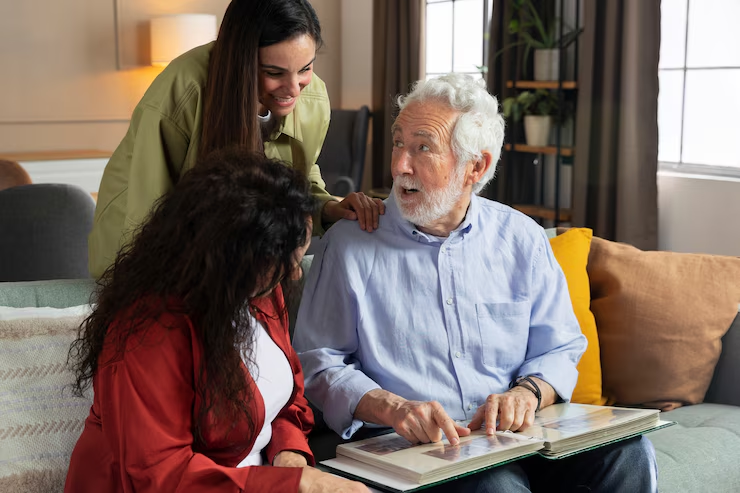
Taking care of a loved one with dementia is no easy task. It’s emotional. It’s exhausting. And it’s often overwhelming. Many family caregivers step into this role without preparation, driven by love and duty. But without proper support and education, the journey can become harmful for both the caregiver and the person with dementia. That’s why dementia caregiver training is more than helpful—it’s essential.
Improving Daily Interactions Through Practical Skills
When family caregivers understand dementia-specific communication, everyday tasks become more manageable. Training teaches how to speak clearly and patiently. It shows the value of using simple words, calm tones, and eye contact. These changes can dramatically reduce frustration and agitation—for both parties.
Caregivers also learn how to assist with bathing, dressing, and eating in a respectful and safe manner. These tasks may seem simple but can become emotionally charged or physically challenging without proper technique. With training, family members can handle them with care, reducing stress and preventing accidents.
Preventing Caregiver Burnout With Education
Burnout is one of the most common consequences of long-term caregiving. The emotional weight, lack of sleep, and constant vigilance can drain a person’s mental and physical health. The dementia caregiver training addresses this head-on.
Caregivers are taught the importance of self-care. They learn how to identify signs of stress, how to take breaks, and when to ask for help. The training reinforces that being a good caregiver doesn’t mean doing everything alone. Support systems are crucial. With the right knowledge, caregivers are more likely to take steps that preserve their own well-being.
Managing Behavioral Changes With Confidence
Dementia often causes unpredictable behaviors—wandering, aggression, confusion, and even paranoia. These moments can be frightening and disorienting for both the person with dementia and their caregiver.
Dementia caregiver training prepares family members for these challenges. It teaches de-escalation techniques, how to redirect attention gently, and how to spot triggers that might cause outbursts. This preparation turns fear into action. Instead of reacting with panic or frustration, caregivers can respond with empathy and skill.
Enhancing Safety In The Home Environment
Falls, confusion with household items, or leaving doors unlocked—these are real dangers in homes where someone has dementia. Through training, caregivers learn how to adapt the living space to reduce risks.
Simple changes like removing trip hazards, labeling rooms, or installing alarms can make a major difference. Family caregivers often don’t think of these modifications until after an accident. With dementia caregiver training, they are proactive. That leads to a safer, more stable environment.
Building Long-Term Confidence And Compassion
Many family caregivers begin their role filled with anxiety. They wonder if they’re doing the right thing or if they’re making mistakes. Dementia caregiver training offers reassurance. It teaches not just how to handle tasks, but how to think and feel through them with compassion.
With each skill learned, confidence grows. Caregivers begin to trust their instincts. They gain a deeper understanding of dementia’s progression, allowing them to plan ahead and face each stage with more clarity.
Conclusion
Dementia caregiver training is not just for professionals. It’s for every family member who finds themselves walking this journey with a loved one. Without it, caregiving can be confusing, isolating, and dangerous. With it, caregiving becomes empowered, informed, and compassionate.